

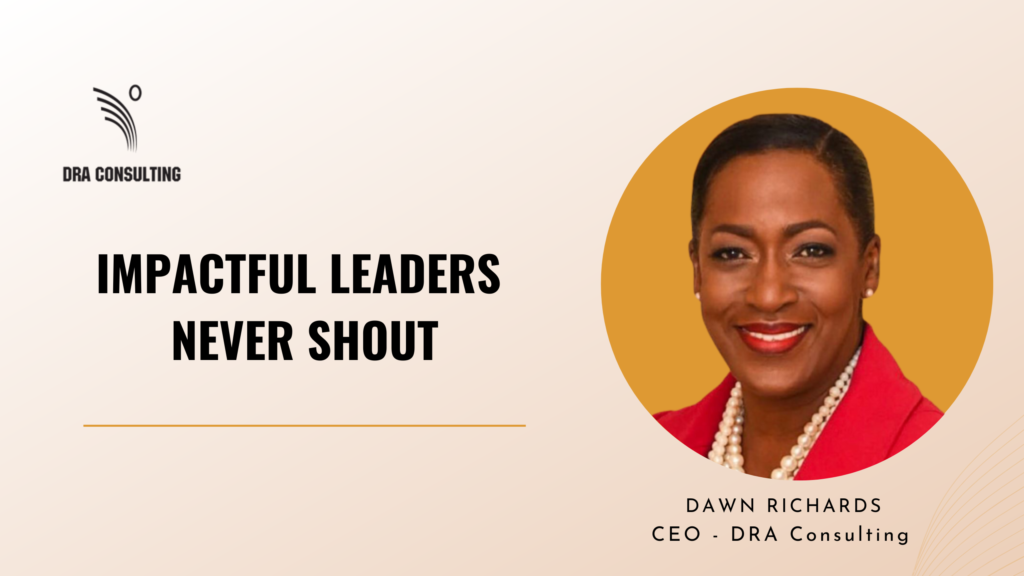
Impactful leaders never shout, either with their voices, or their style. In both instances, they whisper. They harness the power of quiet wisdom, guidance and mentorship, to groom the leadership potential of those chosen for leadership roles. Despite the brilliance that would have carried them to the pinnacle of business, they remain preoccupied with building character, rather than amassing glory. It is a masterclass in humility, in the midst of brilliance.
I was fortunate to be mentored by great leaders early in my professional career. Their wisdom and guidance shaped not only my technical toolbox, but also my perspective on life. That is the essence of leadership. It should influence not just the professional dimension, but the existential view of an individual’s life as well. In other words, the whole person should be touched. My early grounding in the world of work, was largely formed by the totality of the impact of these leaders.
They harness the power of quiet wisdom, guidance and mentorship, to groom the leadership potential of those chosen for leadership roles.
Ironically, there were times when I believed that my mentors were being excessive in the challenges that they placed before me. Little did I know, I was being formed and reformed through the rigours of a process designed to reject mediocrity. At first, I did not fully understand either the intention, or the endgame of the process. But, soon enough, my petulance gave way to gratitude and humility.
We are socialized to applaud loud leaders who lead the masses to victory in business, or otherwise. Amidst the clamour, we forget to acknowledge the quiet leaders who are just as competent as the loud ones, yet possess an even deeper competence. They amplify the best in others in a quiet way, without a style clothed in public relations or posturing.
These quiet, yet impactful leaders, know that the real work is often accomplished in silence.
These quiet, yet impactful leaders, know that the real work is often accomplished in silence. They show up when it matters and allow the brilliance in the room to shine and take centre stage. They create enough mental space so that great ideas are not muted.
Impactful leaders possess a depth of intuitive vision, that gives them an almost clairvoyant sense of an individual’s potential. They see beyond current constraints, weaknesses and incompetencies. They see who an individual can become. Not all leaders are endowed with this gift of future sight. It belongs to those who embrace their mission to facilitate the character evolution of future leaders. A self-centered leader has no time to focus on others. Attention begins and ends with self.
Whether turbulence comes in the form of a heated executive discussion, or a crisis of epic proportion, the leader with calm energy, quiets the chaos.
In businesses fortunate enough to be populated with impactful leaders, the appetite for excellence spreads across the organization. Employees develop a natural compulsion toward pride and accountability in maintaining high standards. Every task becomes infused with the highest level of effort.
These leaders teach those willing to learn, how to control their energy in the midst of turbulence. Whether turbulence comes in the form of a heated executive discussion, or a crisis of epic proportion, the leader with calm energy, quiets the chaos. Composure returns to the decision-making process and clarity guides the way forward.
After all, as artificial intelligence becomes more commonplace, the world will look to leaders increasingly, to champion humanity and to amplify human connections.
My focus here, has been on the human side of leadership. Why highlight disciplines that extend leadership beyond technical competence? Because in today’s world of rapid change, metrics for assessing leadership fluency, are spread almost equally, between results and relationships. In the past, results mattered more. Today, relationships carry increasing weight. Employees expect to be recognized as partners in fulfilling the purpose of the businesses where they contribute their effort. Leadership intelligence must note this expectation, so that shifts in how people are influenced, align with a human-centered approach.
After all, as artificial intelligence becomes more commonplace, the world will look to leaders increasingly, to champion humanity and to amplify human connections.